
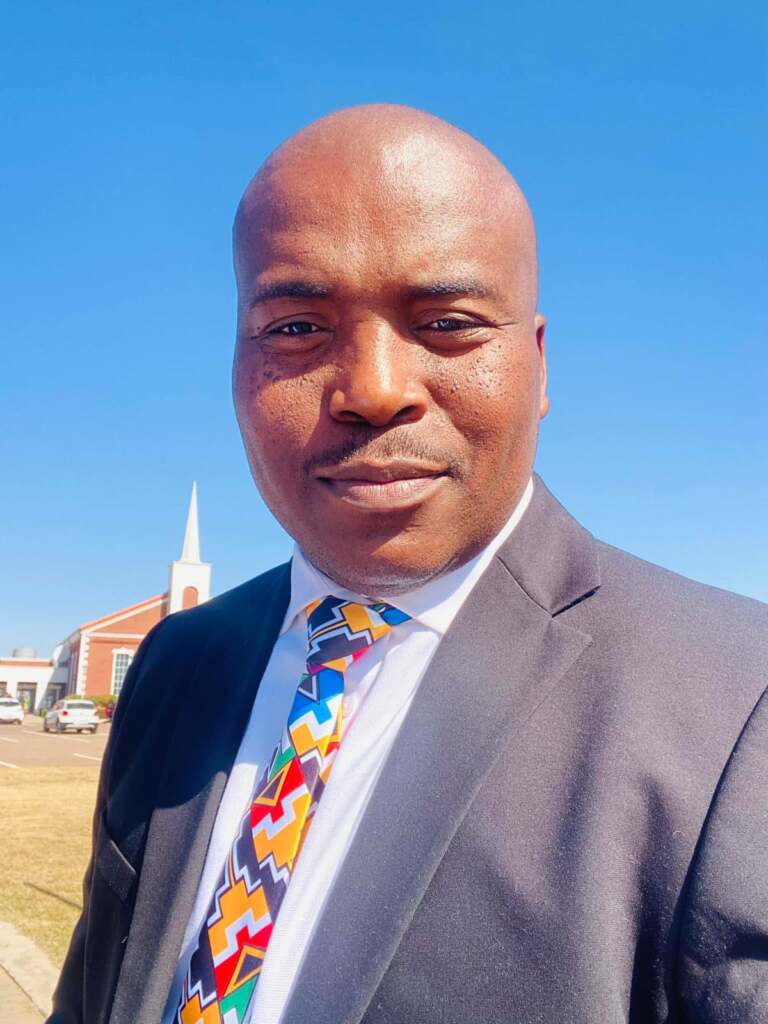
Johnny Thulani Seloana, popularly known as TJ, is contesting for the position of Ward 7 councillor.
Image: Supplied
Born and raised in Emalahleni, Johnny Thulani Seloana is among those vying for the Ward 7 council seat, bringing with him years of experience in community structures and local government affairs.
Ward 7 councilor candidate Seloana attended Moruti Makuse Primary School and later Zacheus Malaza Secondary, where his interest in politics first began. He completed his schooling at Greendale Combined School and is a qualified Safety Officer. His public service record includes five years on the ward committee, where he served under the Technical Services portfolio.
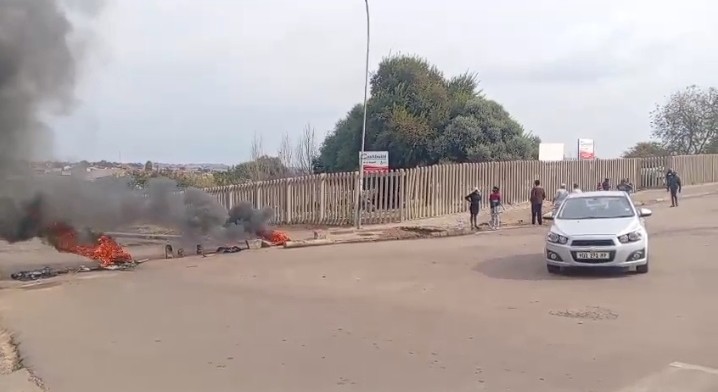
As Emalahleni residents continue to grapple with service delivery concerns, deteriorating infrastructure and social challenges, Seloana has centred his campaign on what he describes as practical interventions aimed at restoring confidence in local government.
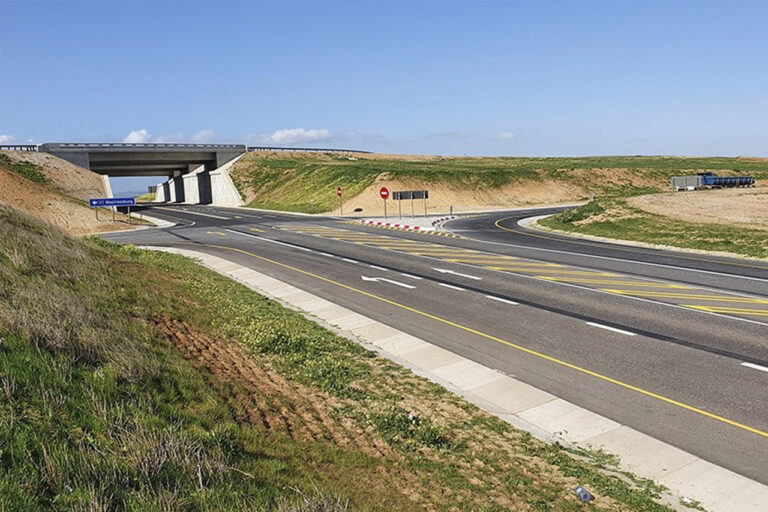
He highlighted the municipality’s priority rollout of rehabilitating ageing infrastructure, noting that it has long struggled to keep pace with the demands of a growing town.
“Emalahleni is an old town and much of the infrastructure requires upgrading,” he says.
Electricity supply remains a pressing concern for residents. While national load shedding has eased, Seloana notes that local challenges persist, fueled by illegal connections, cable theft, and vandalism of infrastructure. He argues that stabilising the network will require both targeted upgrades and stronger planning in communities where access to basic services is still limited.
According to Seloana, the municipality is working to strengthen electricity distribution and align with Eskom standards. He stresses that expanding formal housing developments complete with roads, water, sanitation, and legal electricity connections is key to reducing network instability.
Water supply, he adds, remains a dominant concern among residents. While acknowledging that long-standing challenges cannot be resolved overnight, Seloane maintains that plans and budgets are already in place to improve reliability.
“The goal is to ensure people have uninterrupted access to clean running water,” he says, adding that some of the planned interventions could begin delivering results within the next two years.
Residents’ frustrations with municipal billing systems feature prominently in his campaign. Seloana notes that many households struggle to make sense of their accounts and often face delays when trying to resolve queries.
“We need to work with residents, help them understand the billing system and ensure that their concerns are attended to properly,” he says.
Beyond basic services, illegal dumping has become one of the ward’s most visible challenges. Open spaces turned into dumping sites raise serious concerns about public health, environmental damage, and the overall appearance of the neighbourhood.
Seloana says proposals under review include more frequent refuse collection, additional skip bins, and stronger public awareness campaigns on waste management.
He also believes schools, churches, businesses, and community organisations must play an active role in promoting cleaner, healthier living conditions.
A self-described advocate for clean living environments, he says tackling illegal dumping will require both municipal intervention and community participation.
“We are going to make sure refuse is collected properly and that communities are involved in addressing illegal dumping,” he says.
His vision also embraces community gardens, recycling initiatives, and the development of parks and sporting facilities on underutilised land. He argues that such projects would not only uplift the appearance of the neighbourhood but also create opportunities for residents to take a more active role in shaping their surroundings.
The shortage of community facilities is another issue Seloana believes demands urgent attention. He argues that Ward 7 would benefit from a local clinic, particularly for elderly residents who often travel long distances to access healthcare. He acknowledges that partnerships with the private sector may be necessary to make such projects viable.
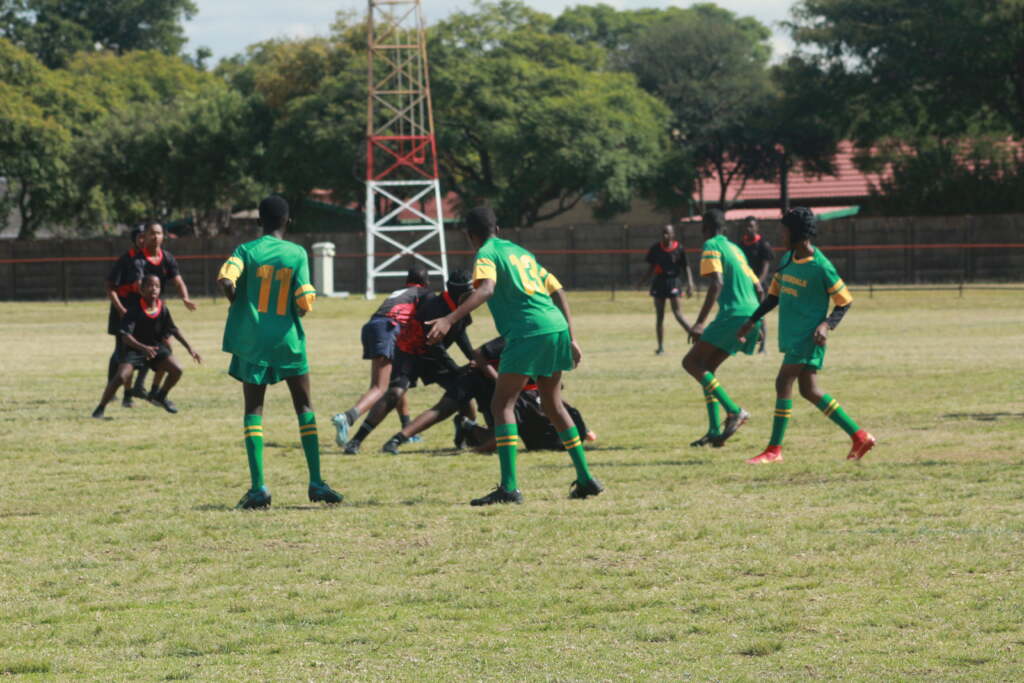
Alongside healthcare facilities, Seloana is advocating for the construction of a community hall, a community centre, and improved sporting infrastructure. He argues that these projects would not only create opportunities for young people but also bring essential services closer to residents.
For Seloana, the ward’s social challenges are deeply interconnected. Crime, substance abuse, and unemployment continue to affect many households, and he insists that meaningful interventions must tackle their root causes rather than merely their consequences.
He argues that job creation must be central to any long-term strategy for tackling crime and drug abuse, particularly among young people. Skills development programmes, youth initiatives, and recreational facilities are among the interventions he believes could help steer vulnerable residents away from criminal activity.
Gender-based violence remains a serious concern. Seloana argues that social development programmes and support services must be strengthened as communities confront rising levels of abuse.
Public safety is another pillar of his campaign. He calls for greater police visibility, the revival of neighbourhood watch structures, and the installation of surveillance cameras at strategic points throughout the ward.
He also believes community safety training programmes could both enhance crime prevention and create employment opportunities.
If elected, Seloana says accountability will be central to his leadership. He argues that residents must be kept informed about council decisions and given realistic timelines for the rollout of projects and service delivery commitments.
“People need to know what decisions are being taken and when they can expect action,” he says.
Effective governance, Seloana adds, will depend on stronger cooperation between municipal departments, provincial government, and the private sector. He argues that the complex challenges facing communities cannot be solved by local government alone but require a coordinated effort across multiple sectors.
For Seloana, the case for his candidacy rests not on promises but on a proven record of involvement in local issues. With more than five years of experience working within community structures, he says he understands the frustrations residents face and is committed to turning those concerns into action.
“I know and understand the struggles of our people because I have been working with them for years,” he says. “The community wants change and improvement, and that is what I want to help deliver.”
Seloana’s campaign ultimately positions him as more than just a candidate, he presents himself as a community advocate with a track record of service and a clear vision for change.
His message is rooted in lived experience and a commitment to practical solutions, offering residents not only promises but a pledge to turn their frustrations into tangible progress.
For Ward 7, he argues, the path forward lies in accountable leadership, stronger community partnerships, and a relentless focus on service delivery.
Disclaimer: This article forms part of Emalahleni News’ local government election coverage. The views expressed are those of the candidate and do not constitute an endorsement by Emalahleni News. The publication is committed to providing fair, balanced and equitable coverage of all candidates and political parties contesting the election.