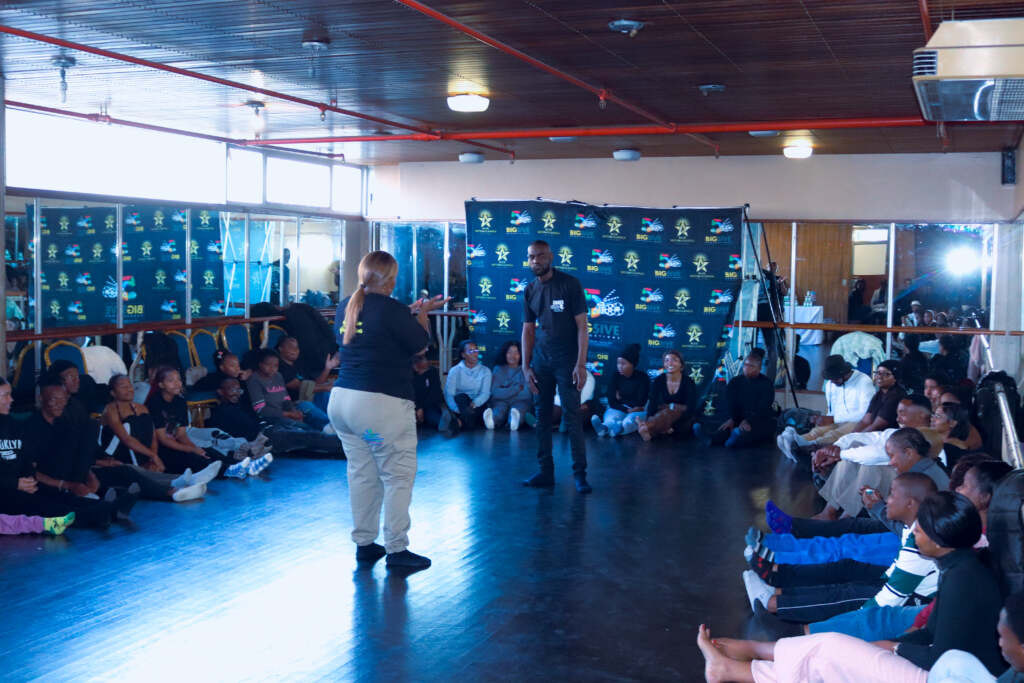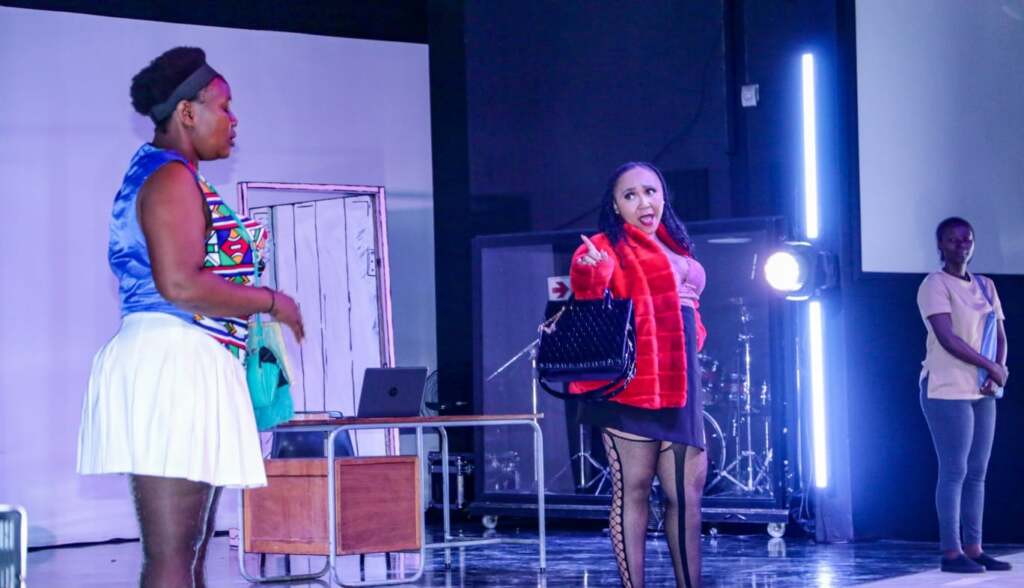

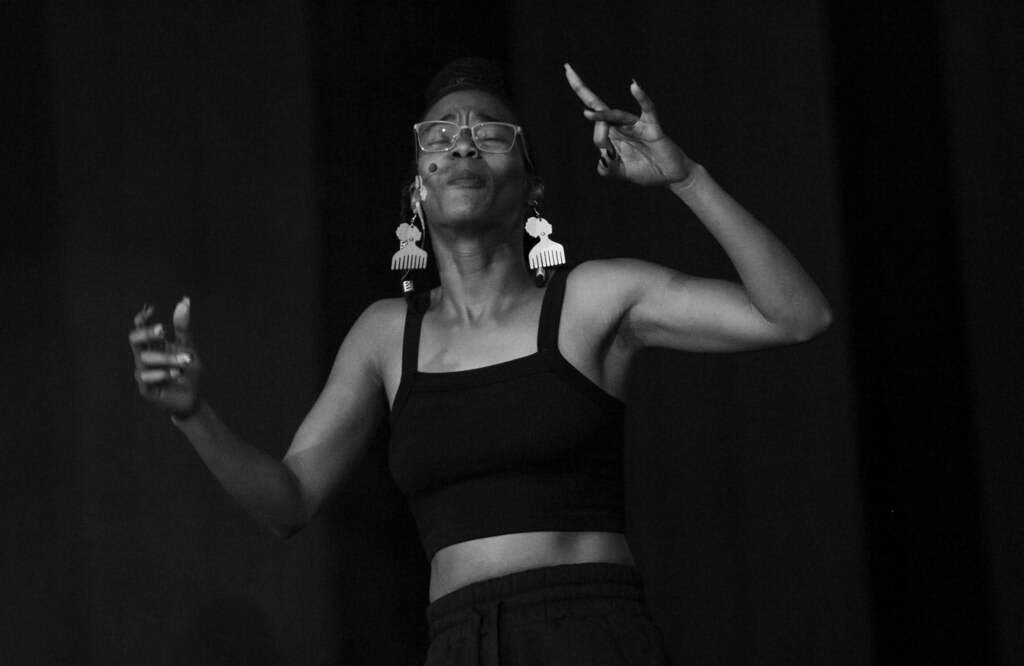
Hope Mathibela performs in Uncle Phinias & His Dream a production by Witbank Arts Campus at the eMalahleni Civic Theatre.
Image: Supplied
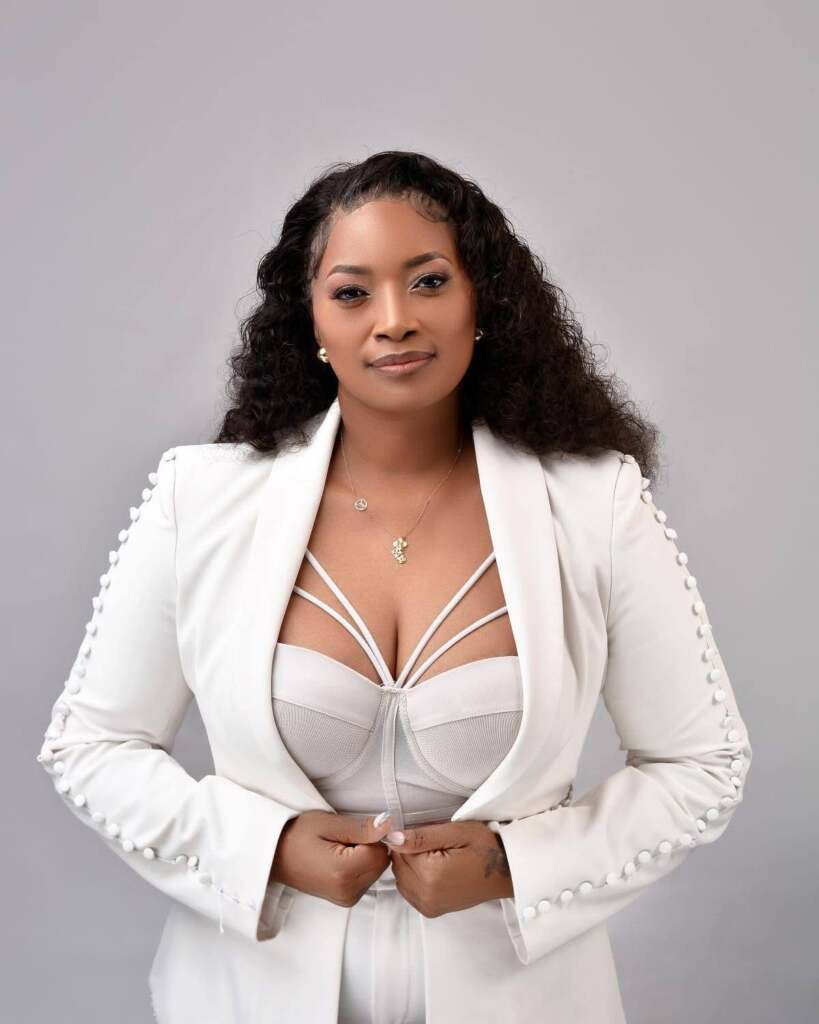
For some, the arts are merely a hobby, but for Hope Mathibela a poet, writer and founder of Womandla Theatre and Poetry Fest, they are a lifeline, a shield, and a revolutionary act. Where creativity has become a powerful tool for social awareness, healing and community transformation.
Long before she became the driving force behind a growing creative movement rooted in empowerment and social change, her relationship with words began in childhood shaped by books, family and the emotional power of shared stories.
“My journey into the arts started when I was only a child, full of emotions that naturally led me to writing”.
Raised in a home where literature and intellectual curiosity were deeply valued, she credits much of her artistic foundation to her father, Sipho Mathibela, whom she describes as “a true scholar.” Encyclopedias and books filled their home, creating an environment where imagination and critical thinking flourished naturally.
Yet one of the most defining influences in her life came through a deeply personal bond with her aunt, Bongi Mathibela, who is partially blind. As a child, she would read aloud to her aunt from novels such as Things Fall Apart by Chinua Achebe, Half of a Yellow Sun by Chimamanda Ngozi Adichie and Love David by Dianne Case.
“She could only read effectively in braille,” she recalls. “Watching her face light up while we read together became one of the biggest reasons I pursued writing.”
She says those moments laid the foundation for a lifelong mission to create work that resonates emotionally with people and gives them a sense of connection and belonging.
Today, that mission lives through Womandla Theatre and Poetry Fest, a platform she describes as both an artistic movement and a space for healing. At its heart, Womandla seeks to bring together people from different cultures, disciplines, backgrounds and lived experiences to create meaningful conversations through art. The movement combines theatre, poetry, storytelling, mentorship and community engagement while centering African experiences and social realities.
“The creation of Womandla Theatre and Poetry Fest was inspired by my personal struggles as a woman,” she explains. “I wanted to create a platform of healing for myself and for the people who enter the spaces of Womandla.”
The movement was also born out of frustration with the systemic barriers women continue to face in creative spaces from unequal access to opportunities to the silencing of women’s voices and experiences.
For her, creating intentional spaces for women is not merely symbolic, it is necessary. “Women’s voices have historically been overlooked or silenced in many spaces, including the arts,” she says. “It was important for us to intentionally create platforms where women can tell their stories freely, lead creatively, and inspire future generations.”
But Womandla extends beyond artistic expression. It also directly engages with some of South Africa’s most urgent social issues particularly gender-based violence. The founder says the alarming rise in GBV cases became impossible to ignore. While public awareness campaigns, protests and legal interventions remain important, she believes prevention and practical empowerment are equally necessary.
“The police are overwhelmed with these cases,” she says. “The need for young women to know how to defend themselves inspired the start of this movement.” Questions surrounding safety and vulnerability became deeply personal for her. What would happen if she or someone she loved became a victim? How could communities better equip young women to protect themselves?
Those concerns led to the integration of self-defense awareness, empowerment conversations and practical education into the movement’s broader artistic framework. “Art became a way to communicate awareness, education and solutions,” she says. That blend of activism and storytelling has become central to Womandla’s identity.
The movement’s productions intentionally reflect lived South African realities from corruption and workplace struggles to family trauma and violence. Their current script, set in Vosman in Emalahleni, explores issues surrounding commissioners appearing before the Madlanga Commission over allegations of fraud and corruption.
Rather than distancing art from politics and community realities, Womandla embraces storytelling as a mirror to society. “Many of the things that happen on stage are actual lived experiences of South Africans,” she says.
The founder believes storytelling remains one of the most powerful tools for preserving culture, documenting history and provoking social reflection especially within African communities. “African stories carry the true essence of the human experience as a whole,” she says.
She also believes art possesses the unique ability to humanize social issues in ways statistics alone cannot. “When people see themselves reflected in stories, it can challenge stereotypes, spark dialogue and inspire social change.”
Beyond the stage, Womandla invests in mentorship, workshops and creative development opportunities for emerging artists. The movement places strong emphasis on nurturing young voices and helping artists develop professionally and personally.
For young women and girls in particular, she sees creativity as a pathway toward confidence, leadership and economic empowerment. “Creativity gives young people confidence, identity and a voice,” she explains. “The arts can become a tool for self-expression, healing and leadership.”
Still, building a sustainable arts movement has not been without challenges. Limited funding, scarce resources and access barriers remain constant obstacles. She also speaks candidly about her own struggles with anxiety and mental health, noting how women’s mental health challenges are often dismissed or misunderstood. “Many times, women’s struggles are mistaken for ego, emotions or incompetence instead of being met with practical support,” she says.
As a result, Womandla plans to introduce a dedicated mental health education and local intervention segment within the movement, another example of how the organization continues to evolve beyond performance into community care. Despite the challenges, she remains deeply grounded in gratitude and purpose with values she attributes largely to her parents.
She says her father, taught her resilience and perspective through a simple but powerful principle: “We must thank what we have now, because that is how we welcome what we will thank later.” She further asserts, that her mother inspired her through perseverance and strength, while influential figures such as Thandiswa Mazwai, Winnie Madikizela-Mandela, Lebo Mashile and Credo Mutwa shaped what she calls “the rebel within me.” “Rebellion against injustice is often what shapes great writers,” she says.
That rebellious spirit now fuels her long-term vision for Womandla, a sustainable creative movement where artists can heal, collaborate, grow and rebuild themselves through art. “I want Womandla to be remembered as a place where artists were able to be themselves enough to heal, rise again and rebuild,” she says.
As the movement continues to expand, she hopes communities will recognize the arts not as entertainment alone, but as a critical force for social development, education and transformation. “Your voice matters. Your story matters,” she says. “Sometimes the stories we are most afraid to tell are the ones that can inspire and heal others the most.”
She further adds, the community can support the movement by attending events, collaborating with the organization, volunteering, sponsoring initiatives, sharing their work, and participating in the community programs and creative activities.