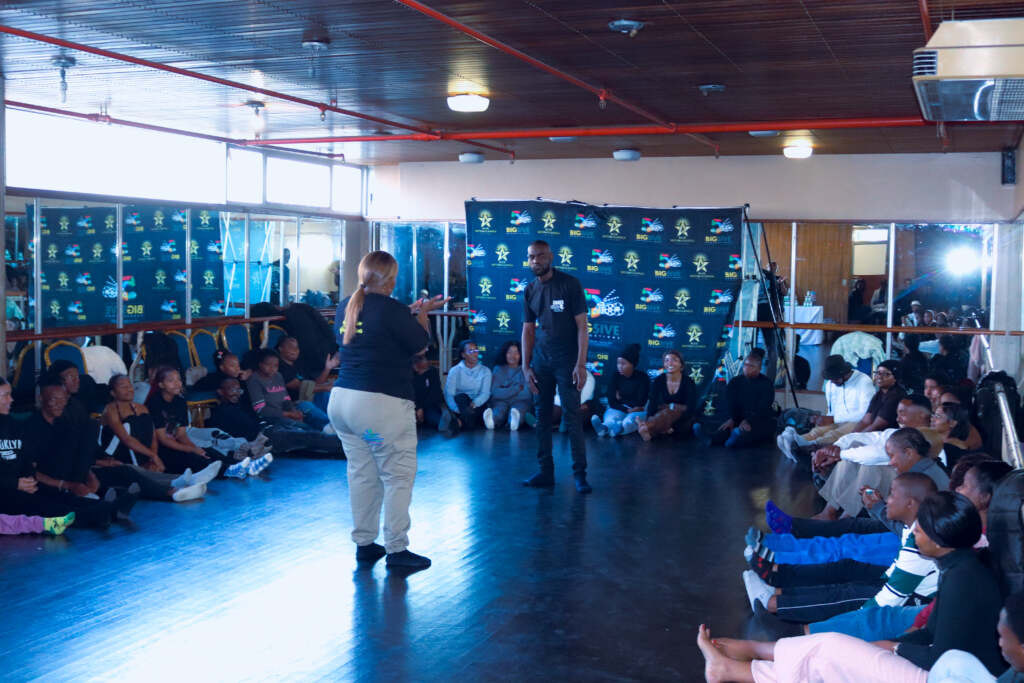

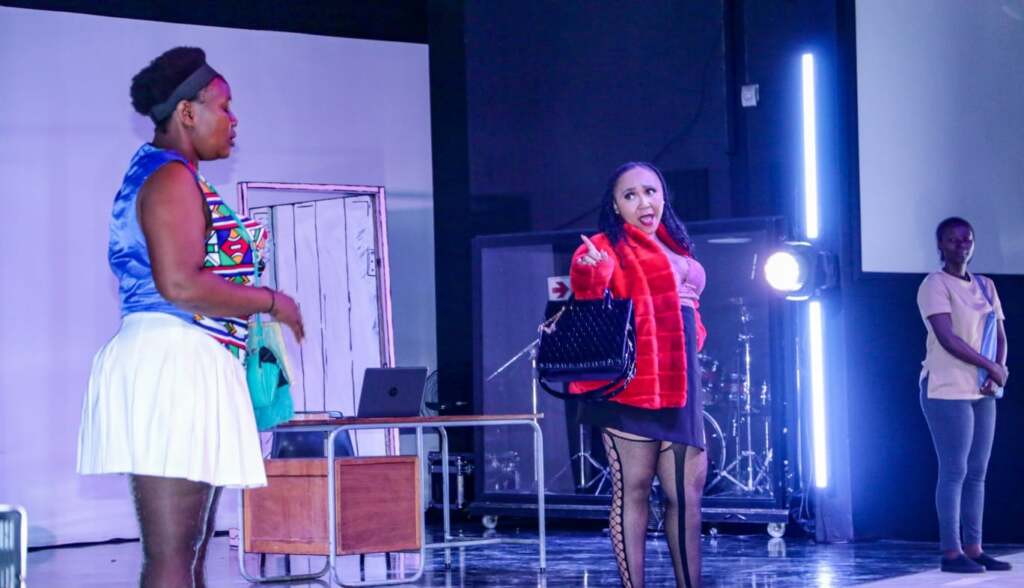
Cast members perform For Amandla, a thought-provoking production by H. Mathibela and M. Billeni that examines social realities, resistance and the strength of unity.
Image: Supplied
Poetry, theatre and powerful storytelling took centre stage on 25 April as the Womandla Theatre & Poetry Fest delivered a groundbreaking production at the New Life Church Theatre. The event marked a significant milestone as the first production of its kind to be staged at the venue, offering audiences an evening of raw emotion, artistic expression and thought-provoking performances.
The show wasn’t just about performance, it was about purpose. Womandla’s mission has always been to create inclusive spaces where young people and local creatives can express themselves freely. This production pushed that vision forward, weaving together theatre and poetry to tackle themes of identity, trauma, gender-based violence, resilience, and collective healing.
At the heart of the production was a powerful exploration of healing through art, resistance, community empowerment and the transformative role of theatre in society. Through a compelling blend of performance, poetry and storytelling, the production unpacked deeply personal and social themes including identity, trauma, gender-based violence, resilience, courage and collective healing.
For Womandla Theatre, the event was about far more than performance. It formed part of a broader mission to educate communities about the value of theatre practices and the enduring power of storytelling as a catalyst for awareness, dialogue and social change.
By creating space for honest and often difficult conversations, the production encouraged audiences to reflect on issues of social justice, emotional healing and the importance of communities standing united against violence and oppression. In doing so, the event highlighted theatre not only as an art form, but as a meaningful educational and cultural tool capable of inspiring reflection, empathy and transformation.
Beyond entertaining audiences, the production also offered insight into the discipline, emotional depth and social relevance of theatre, exposing communities to its potential to inform, heal and connect people across shared human experiences.
The audience was taken on a journey that was as thought-provoking as it was moving. One of the evening’s standout highlights was a multilingual poetry performance delivered in several indigenous South African languages. It was a celebration of culture and identity, but also a fearless confrontation of gender-based violence. The piece urged communities to take charge of their own protection when systems fail them, a revolution wrapped in verse.
By the time the final scene reached its crescendo, with poetry and dramatic tension colliding in a powerful climax, the audience was visibly shaken. Many described the experience as unforgettable, an emotional rollercoaster that balanced pain, reflection, hope, and resistance.
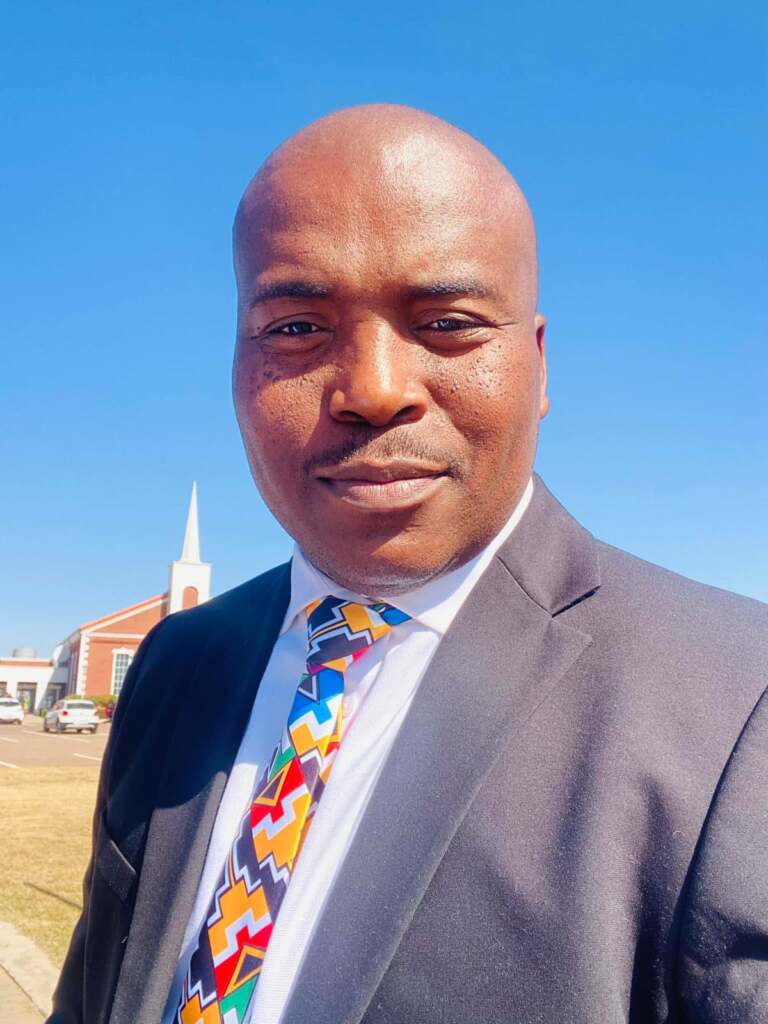
The founder of the organization Hope Mathibela explains that the production challenged actors and performers to go beyond simply delivering lines. They were asked to engage with the script through the lens of their own lived experiences, adding layers of authenticity and emotional depth that resonated strongly with the audience. It wasn’t performance for performance’s sake, it was storytelling rooted in reality, with artists contributing creatively to the interpretation of the work.
Workshops played a crucial role in preparing participants for this moment. Sessions such as Theatre of Self, facilitated by Mathics Mahlangu, gave performers the tools to explore their identities and translate those insights into powerful stage presence. These workshops weren’t just about technique, they were about self-discovery and empowerment.
For Mathibela, the choice of venue was deliberate. The New Life Church Theatre, newly renovated and equipped with accessibility features such as wheelchair ramps and disabled-friendly restrooms, offered both technical excellence and inclusivity. It was a space designed not just for art, but for everyone.
Mathibela further said, the event also opened networking opportunities with theatre houses and industry practitioners, resulting in immediate work opportunities for some participating creatives.
The production was made possible through sponsorship from the National Arts Council and support from partners including Witbank Arts Campus, Emalahleni Main Library, and Emalahleni Civic Theatre. Organisers singled out Happiness Bembe for special gratitude, crediting her unwavering support as vital to the success of the event.
By blending artistry with opportunity, Womandla Theatre reinforced its mission of building inclusive creative spaces where talent is nurtured, voices are amplified, and communities are transformed.