
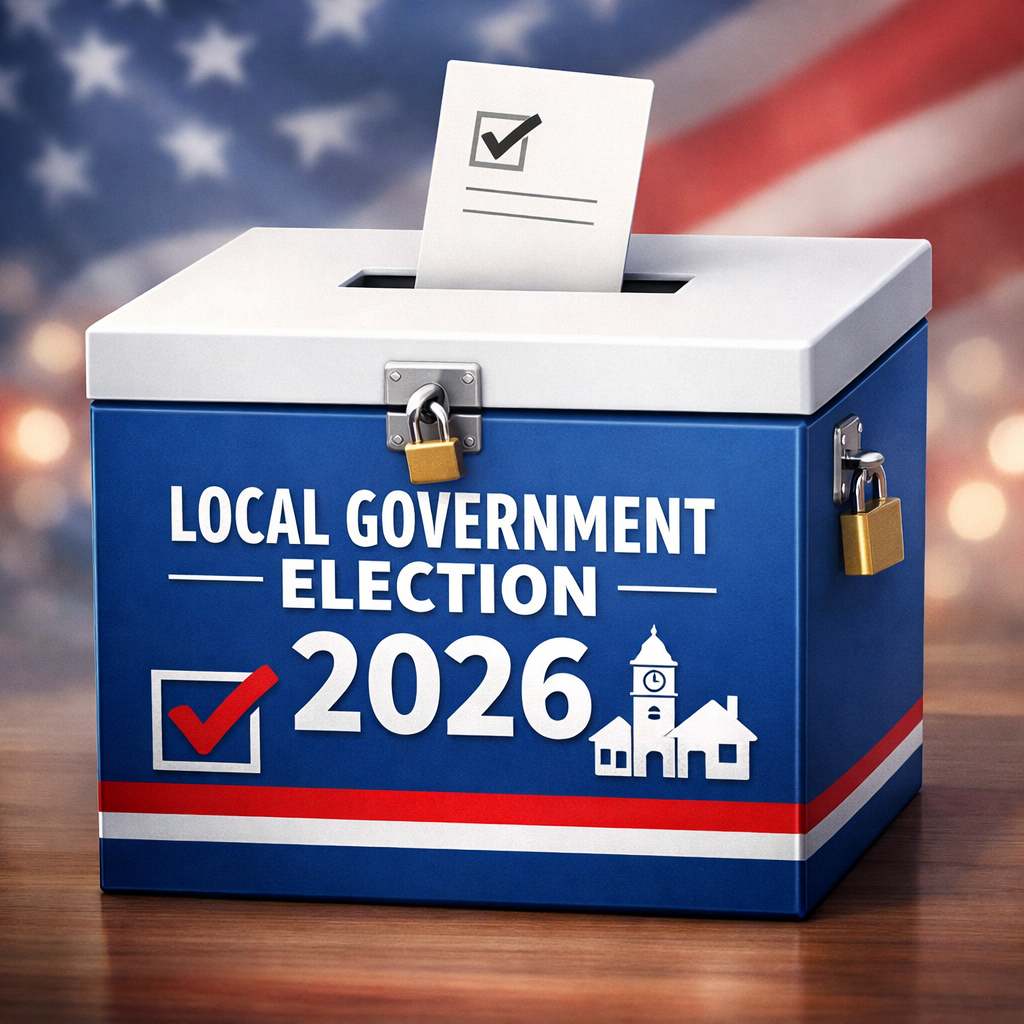
Voting gives residents a direct say in the decisions that affect their daily lives, from service delivery to community development.
Image: Stock Photos
When South Africans discuss elections, the focus often falls on national politics and the debates that dominate headlines. Yet many of the issues that shape daily life are decided much closer to home.
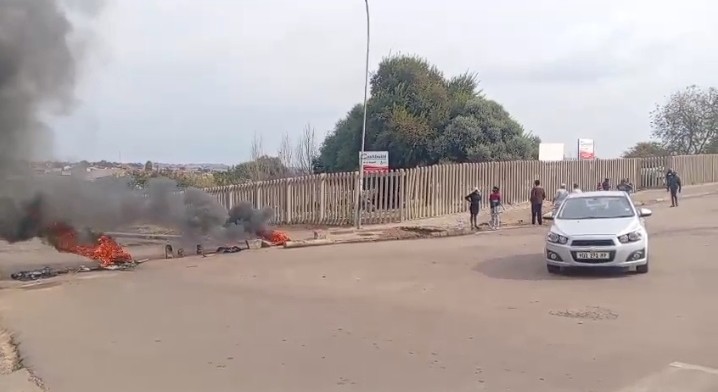
The condition of roads and streetlights, the reliability of water and sanitation services, refuse collection, local economic development, and municipal responses to electricity challenges such as load reduction and infrastructure maintenance all fall within the sphere of local government.
When the community participates in local government elections it’s therefore more than a constitutional right. It is one of the most direct ways citizens can influence how their community is governed, how public funds are spent, and which priorities receive attention from elected leaders.
The decisions made in council chambers have a tangible impact on neighbourhoods, businesses and households, making local elections one of the most important opportunities for residents to help shape the future of the municipality.
Municipal governments are responsible for a range of services that affect communities every day. These include the provision and maintenance of water and sanitation services, electricity distribution, waste removal, local roads, street lighting, public facilities, spatial planning and certain aspects of local economic development.
While provincial and national governments play important roles in policy-making and funding, municipalities are often the institutions closest to residents and are frequently the first point of contact when service delivery challenges arise.
Voting is the mechanism through which residents choose representatives who will make decisions on their behalf. Whether citizens are satisfied or dissatisfied with current conditions, elections provide an opportunity to express that view through the ballot box.
Local government elections determine who sits in municipal councils, which are responsible for approving budgets, overseeing municipal administration and making decisions that influence how resources are allocated. A vote is therefore not only about selecting individuals or political parties, it is also about shaping priorities for the community.
Low voter turnout can have significant consequences. When fewer people participate, elected representatives may ultimately be chosen by a relatively small portion of the population. This can reduce the extent to which election outcomes reflect the broader views and needs of the community.
Communities that do not engage in democratic processes may also find it more difficult to hold elected leaders accountable for decisions made on their behalf. Participation strengthens accountability because public representatives know they will ultimately be evaluated by voters at the next election.
One of the most important functions of elections in a constitutional democracy is accountability. Voting allows citizens to reward leaders they believe have performed well and replace those they believe have not met expectations. This process encourages transparency, responsiveness and public oversight.
Accountability, however, does not begin and end on election day. It is strengthened when residents attend community meetings, engage with ward councillors, participate in public consultations and remain informed about municipal decisions. Voting remains the foundation upon which these forms of civic participation are built.
For eMalahleni, these considerations carry particular significance. The municipality occupies a strategically important position in Mpumalanga’s economy and plays a key role in South Africa’s energy sector.
At the same time, residents continue to face challenges familiar to many municipalities across the country, including infrastructure maintenance, service delivery concerns, electricity reliability, economic opportunities for young people and the need for sustainable local development.
The choices made by municipal leaders can influence how effectively these challenges are addressed and how resources are prioritised in the years ahead.
Democracy relies on participation. While every citizen has the freedom to decide whether or not to vote, elections are most representative when communities participate broadly. A single vote may seem insignificant on its own, but elections are ultimately decided by the collective choices of individuals. Every ballot contributes to the final outcome.
For the residents of eMalahleni, local government elections are about more than politics, they are about the roads travelled each day, the reliability of water and electricity services, the maintenance of public infrastructure, and the future of local wards and the long-term development of the community. The ballot box remains one of the most powerful tools available to citizens to influence those outcomes.
The Electoral Commission of South Africa (IEC) has announced that the national voter registration weekend for the 2026 Local Government Elections will take place on 20 and 21 June 2026, with voting stations open from 08:00 to 17:00. Eligible citizens may register for the first time or update their registration details if they have moved or changed address.
Residents can also verify their registration status online through the IEC’s voter registration portal or visit local IEC offices during office hours. To register, a person must be a South African citizen, be at least 16 years old to register (and 18 years old to vote), and possess a valid South African ID document, Smart ID card or temporary identity certificate.
If local government decisions affect the quality of daily life, then local government elections provide an opportunity for residents to help determine who makes those decisions. In a democracy, that responsibility ultimately rests with the community itself.
Editor’s Note: The Electoral Commission of South Africa (IEC) has announced that the national voter registration weekend for the 2026 Local Government Elections will take place on 20 and 21 June 2026, from 08:00 to 17:00. Residents are encouraged to confirm their registration status, update their voting address where necessary and ensure that their details are correct ahead of the local government elections scheduled for 4 November 2026.